The Identity That Cannot See Its Own Shadow
Most people believe they are good.
Most people believe they are moral.
Most people believe they are incapable of true harm.
This is the most dangerous identity a person can hold.
Not because it is evil.
But because it is incomplete.
A human being who does not acknowledge the shadow within is a human being who cannot understand danger, manipulation or the weight of their own choices. They cannot recognize when their internal compass is being steered by fear, by doctrine or by cultural pressure they never consciously examined.
The person who refuses to see their shadow becomes vulnerable to every external shadow in the world.
The Most Dangerous Identity Is the One That Believes It Has No Darkness
A fully developed human being knows something simple and uncomfortable.
Inside every person exists the capacity for protection, aggression and destructive emotion. Most people tie that part of themselves to a chair and never look at it.
That does not make them moral.
It makes them blind.
The capacity for darkness is not what makes someone dangerous.
The refusal to acknowledge it is.
People who cannot see their shadow will always:
- underestimate risk
- misjudge the motives of others
- project innocence where it does not exist
- cling to beliefs that no longer fit reality
- confuse kindness with safety
- protect their self image instead of protecting their family
This is not stupidity.
It is identity insulation.
Their identity depends on believing they are wholly good, so they deny the part of themselves that is capable of anger, confrontation or protective violence.
They reject the idea that they could ever be a monster, even though every parent knows the truth.
Harm a child and the softest person alive becomes unrecognizable.
The shadow is real whether we admit it or not.
Even Religion Is Not the Problem. The Identity Running It Is.
Any religion, any ideology, any political belief, any cultural tradition can be used in a way that harms or heals.
The doctrine is not the danger.
The person interpreting it is.
A rigid, unexamined identity will:
- absorb a doctrine without questioning it
- follow rules that were never theirs
- defend beliefs they did not choose
- attach their worth to a system instead of their own conscience
- allow fear or guilt to shape their behavior
- be manipulated by leaders or groups who promise certainty
This is not about any specific faith or group.
It is about the human tendency to outsource moral responsibility to an external rulebook.
When identity is weak and unexamined, doctrine becomes the substitute.
When identity is aligned and grounded, doctrine becomes a tool rather than a master.
The danger is not belief.
The danger is believing without knowing who you are within that belief.
Why Some People Cannot See Threats Until They Are Personal
People who cannot acknowledge their own shadow cannot recognize the shadow in others.
They want to see the good in everyone because they cannot face the possibility that a person could be dangerous.
It breaks their worldview.
It breaks their identity.
It breaks the clean picture they hold of humanity.
It forces them to face the truth that they themselves are capable of force, anger and destructive instinct.
Most people will not confront this until something touches the people they love.
When the threat becomes personal, the identity they built collapses and the shadow they denied finally steps forward.
This is why denial is not compassion.
It is identity fragility.
The Identity That Sees Its Shadow is the Identity That Cannot Be Controlled
Once a person accepts that they hold both light and darkness, they become grounded.
They become impossible to manipulate.
They become capable of self-defense.
They become clear, balanced and unmistakably strong.
A person who knows their shadow can:
- recognize manipulation
- resist harmful ideology
- detect a hidden agenda
- refuse to be controlled
- protect their boundaries
- think independently
- carry responsibility without fear
They do not become violent.
They become whole.
A complete identity contains every part of the self, not only the parts that feel safe or virtuous.
If You Cannot See Your Shadow, You Cannot See Reality
The goal of identity work is not to destroy innocence.
It is to replace blindness with awareness.
A person who knows the truth about themselves becomes a powerful adult.
A person who hides from the truth becomes a vulnerable child.
You cannot meet the world with strength if you cannot meet yourself with honesty.
Identity realignment begins with one simple question.
What part of yourself have you refused to see?
When you answer that question honestly, you stop living as half a person.
You reclaim the authority that has always been yours.
If you feel something shift while reading this, you already know the next step.
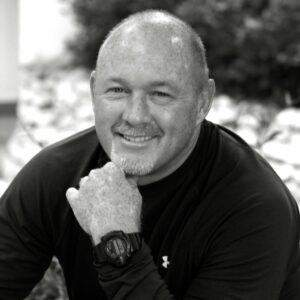
Jeff Scott
If your identity is misaligned, your performance, presence and decision making will collapse no matter how hard you push. I rebuild the internal operating system that is costing you money, clarity, authority and the ability to lead under pressure. If you want to remove the patterns driving your stress and step into the identity that your career and relationships demand, start by reading my Be the Orca Blog articles or listen to the Status I AM Podcast. Better yet... Subscribe to Weekly Insights.